By Trimly
When Should You Aerate Bermuda Grass in Upstate SC? (2026 Guide)
Bermuda grass in Upstate SC should be aerated from late May through mid-July. That is the only safe window. If you are reading this in September, the window has closed for this year.
Here is why—and what to do right now instead.
The Short Answer
Aerate Bermuda grass when the soil temperature is above 65°F and the grass has at least 6 weeks of active growth left before it goes dormant.
In Upstate SC, that window opens around May 15 and closes around July 15 in most years.
September is too late. Bermuda in Anderson, Greenville, Spartanburg, and Laurens counties goes dormant around mid-October. If you aerate in September, the grass cannot recover before dormancy. You risk damaging the root system at exactly the wrong time.
Why Timing Matters for Bermuda Grass
Bermuda grass is a warm-season grass. It grows fast from May through August and then slows sharply as fall arrives. Aeration punches holes in the soil and temporarily stresses the grass. Bermuda recovers from that stress fast—when it is actively growing.
Aerate too early (before soil temps hit 65°F) and the grass is not awake enough to recover. Aerate too late (after mid-July in Upstate SC) and the grass may not fill in before it goes dormant. Either way, you leave the lawn weaker going into fall.
Soil temperatures in Greenville and Spartanburg typically cross 65°F around May 10 to May 20. That is your starting gun.
How to Know If Your Bermuda Lawn Needs Aeration
Not every lawn needs aeration every year. Here are the signs it is time:
Soil compaction: Push a screwdriver into the lawn. If it does not go in at least 6 inches without heavy force, the soil is compacted.
Water pooling: After rain or irrigation, water sits on the surface for more than 30 minutes instead of soaking in.
Thin patches: Areas of the lawn that stay thin even when the grass around them is thick. Compacted soil keeps roots from spreading.
Heavy clay: Much of Upstate SC sits on red clay soil. Clay compacts faster than sandy or loam soils and benefits from aeration every year.
Foot traffic: High-traffic paths, play areas, and parking strips compress soil over time.
If you check two or more of those boxes, your lawn is a good candidate for aeration next spring.
What Aeration Actually Does
Core aeration uses a machine with hollow tines to pull plugs of soil out of the ground—usually 2 to 4 inches deep, spaced about 3 inches apart. The holes allow:
- Water to reach the root zone faster
- Fertilizer and soil amendments to penetrate deeper
- Roots to grow into looser soil and spread further
- Oxygen exchange at the root level
The pulled plugs sit on the surface and break down within 2 to 3 weeks. They look messy for a few days but return nutrients directly to the soil.
Overseeding right after aeration is common for fescue lawns but not recommended for Bermuda. Bermuda spreads by runners, not seed germination, and you do not want to introduce other grass species into a Bermuda lawn.
What to Do in September Instead of Aerating
If you are reading this in September, here is your action plan:
Let the grass grow slightly taller. Raise your mowing height by about a quarter inch. This builds more leaf surface for photosynthesis going into dormancy and improves root energy storage.
Reduce fertilizer. Do not apply nitrogen in September or October. Nitrogen pushes new tender growth that is vulnerable to early frost. It also extends the active growth period, which works against a clean dormancy transition.
Stay consistent with mowing. Keep mowing until the grass fully stops growing—usually late October in Upstate SC. Letting it get too long before dormancy traps moisture and creates conditions for fungal disease.
Book your spring aeration now. Spring slots fill up fast in May and early June. If you want Trimly to handle aeration next season, call (864) 256-0999 in April to lock your date.
Does a Robot Mower Reduce the Need for Aeration?
This is a question we hear a lot from Trimly Subscribe customers.
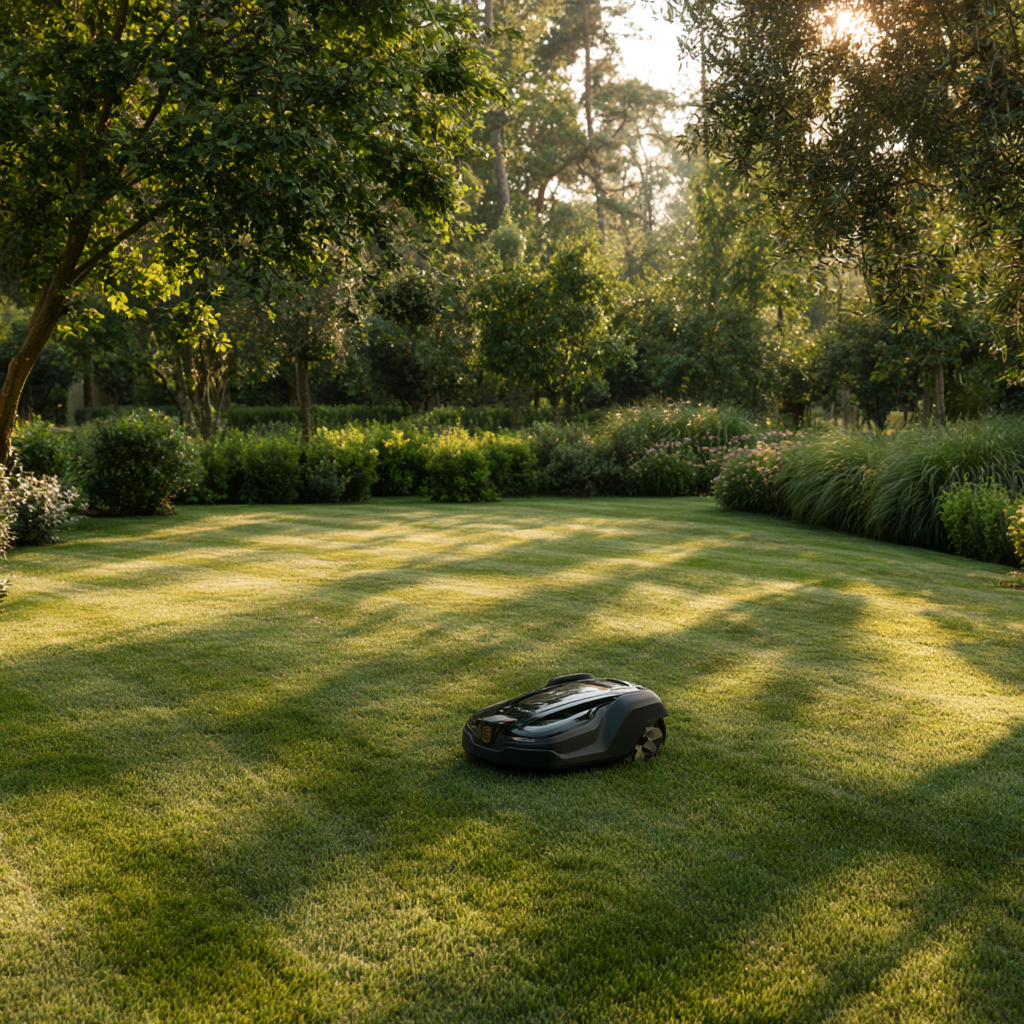
The short answer: daily mowing reduces surface compaction compared to weekly crew visits. A robot mower weighs about 15 to 25 pounds. A walk-behind mower weighs 60 to 100 pounds. Less weight on the soil means less compression per pass.
That said, the main driver of compaction in Upstate SC is foot traffic and clay soil—not the mower. Even robot mower customers with heavy clay soil benefit from aeration every one to two years.
Aeration Pricing from Trimly
Trimly offers lawn aeration for Upstate SC customers as a one-time service. Pricing varies by lot size. Call (864) 256-0999 or email hello@trimly-automow.com for a quote.
If you are not yet a Trimly Subscribe customer, our robotic mowing subscription starts at $139 per month for small yards and handles daily mowing without you lifting a finger. Aeration can be added as a seasonal service.
The 2026 Bermuda Grass Aeration Calendar for Upstate SC
| Month | Action | |---|---| | March–April | Soil thawing. Too early. Check soil temps. | | May 10–15 | Soil temps cross 65°F. Aeration window opens. | | May 15 – July 15 | Ideal aeration window. Book and complete by July 15. | | July 15 – August | Late but acceptable if grass is healthy. Skip if stressed. | | September | Too late. Focus on pre-dormancy prep instead. | | October | Dormancy begins. No aeration. | | November – April | Dormant season. No aeration. |
Frequently Asked Questions
Can I aerate Bermuda grass in the fall? No. Fall aeration is recommended for cool-season grasses like fescue, not Bermuda. Aerating Bermuda in fall damages roots before dormancy and can cause thin, weak growth the following spring.
Should I water before aerating? Yes. Water the lawn 24 hours before your aeration appointment so the soil is moist but not saturated. Dry, hard soil resists the tines and produces shallow cores.
How often should I aerate Bermuda grass in Upstate SC? Once per year is standard for lawns with clay soil or moderate foot traffic. Lawns with sandy soil or low traffic may only need aeration every two years.
Can I aerate and overseed on the same day? If you have a Bermuda lawn, do not overseed. If you have a mixed lawn with fescue, aeration in fall is appropriate for the fescue areas—but that is a separate discussion from your Bermuda grass care.
What if my lawn was just installed this year? Do not aerate a newly installed Bermuda lawn in its first season. Let it establish a full root system first. Aerate starting in year two.