By Trimly
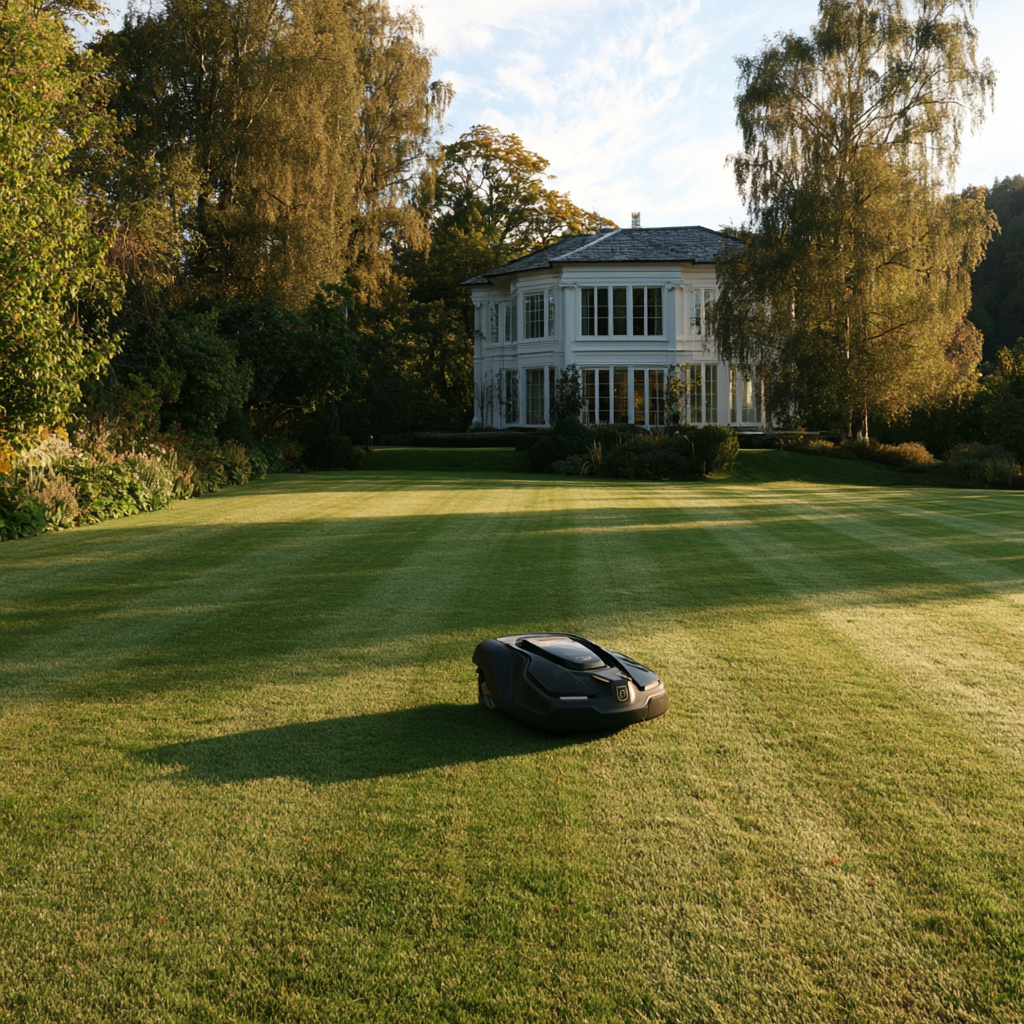
Robot mowing for HOA communities: plan the site and service
Start an HOA mowing plan with a walk of the grounds. List the work you need. Plan for people, pets, gates, and the work that still needs a crew.
Map how residents use the grounds
List play areas, paths, pools, roads, drainage features, and pet areas. Set mowing hours around those uses. Keep people and animals out of each active mowing zone. Sensors do not make it suitable to mow through a gathering.
Identify places needing physical barriers, a larger setback, or separate mowing. See our safety guide before reviewing a layout.
Review equipment access and placement
Check power, station placement, gates, and routes between lawn sections. Review slope and terrain limits against the proposed mower's manual. Agree on access for maintenance and a contact for problems.
Ask the board to check the rules before work starts. Do not promise that a mower is automatically exempt from community noise or equipment rules.
Quote the full grounds contract
List mowing, edges, string trimming, hard-surface cleanup, beds, leaves, shrubs, and treatments separately. List who will do each job. Agree on what happens if a mower breaks down.
For Trimly, Precision Edge is a paid add-on. A mowing quote should not be read as an all-inclusive grounds contract.
Start with a defined area
Agree on the mowing area and what the HOA will inspect: coverage, turf condition, access, resident conflicts, and maintenance needs. Log problems and changes before adding more lawn.
Contact Trimly about HOA service or request a site assessment.